Common symptoms of aging include reduced energy levels, muscle loss, decreased bone density, and rapid weight gain, all of which can increase the risk of serious health issues and feelings of despair. Many people assume that aging is inevitable and that they have little control over the decline of their bodies. However, recent scientific findings have shown that aging is closely linked to a decrease in the body’s production of growth hormones.
Human growth hormone (HGH), also known as growth hormone (GH), plays an important role in regulating various tissues and systems throughout the body. It helps break down body fat, supports muscle mass development, and contributes to bone growth and density. [1]
To address these age-related concerns, growth hormone-releasing peptides (GHRP) are used to boost growth hormone production, which can help slow down the aging process and treat specific age-related conditions. Among these peptides, Ipamorelin is recognized as one of the most effective options for enhancing growth hormone levels.
What is Ipamorelin?
Ipamorelin is a hormone secretagogue and Ghrelin receptor agonist, meaning it stimulates the pituitary gland to release hormones into the bloodstream. [2] While its main function is promoting growth hormone production, Ipamorelin is also linked to several additional benefits. It has been associated with improvements in cognitive functions, memory, pain management, and the regulation of body temperature, along with its role in supporting growth and muscle development. [2] [3]
What sets Ipamorelin apart from other peptides in the growth factor family is its reputation for safety. It effectively increases the release of growth hormone without causing the side effects commonly seen with similar peptides, such as increased appetite or elevated levels of cortisol, acetylcholine, prolactin, and aldosterone. This makes Ipamorelin one of the most promising and recent advancements in growth hormone therapy. [4]

Ipamorelin Mechanism of Action
Ipamorelin primarily functions by stimulating the release of growth hormone (GH). It achieves this by mimicking the hormone ghrelin, which plays a key role in GH secretion. [5]
Ghrelin, often referred to as the “hunger hormone,” naturally stimulates appetite and is produced in the gastrointestinal system when the stomach is empty. It binds to specific receptors known as growth hormone secretagogue receptors (GHSRs), which are highly concentrated in the hypothalamus region of the brain. [6]
When ghrelin binds to these GHSR receptors, it triggers a series of signals that prompt the pituitary gland to release human growth hormone (HGH) into the bloodstream. This HGH then travels to various target tissues, such as muscles, bones, and fat, to promote growth, regeneration, and metabolic processes. [6]
Ipamorelin mimics ghrelin by binding to GHSRs in the brain, effectively stimulating additional surges of growth hormone beyond what is naturally triggered by ghrelin. This leads to increased pulses of HGH, which are intended to enhance processes like protein synthesis, tissue repair, bone strengthening, and fat metabolism. [2]
Benefits of Ipamorelin
What makes Ipamorelin particularly noteworthy is its targeted action. Unlike other growth hormone-releasing peptides, Ipamorelin specifically focuses on increasing growth hormone levels with minimal impact on other hormones or biochemical processes. This precision has generated significant interest in its potential applications. [2]
Bone Growth
Ipamorelin has shown potential in promoting bone growth, as observed in several animal studies.
In one study, researchers discovered that Ipamorelin could counteract the muscle breakdown caused by glucocorticoids, which can indirectly support bone health. [7] Another study found that administering Ipamorelin to female rats led to an increase in bone mineral content, suggesting stronger and denser bones. [8]
These findings are encouraging for future research in areas like anti-aging, growth deficiencies, injury recovery, and women’s health, particularly since women face a higher risk of declining bone density as they age.
Muscle Growth
Ipamorelin is often reported to stimulate muscle growth, a claim that has led to its prohibition in competitive sports alongside other growth hormone-releasing peptides.
However, scientific research has not yet conclusively demonstrated this effect. Studies have shown that Ipamorelin can stimulate the smooth muscle of the digestive tract, aiding in faster food movement through the digestive system [9]
While this is different from the effects on skeletal muscle some independent researchers have noted related evidence. The same study that observed Ipamorelin’s ability to counteract the bone degradation caused by glucocorticoids also found that rats injected with both Ipamorelin and glucocorticoids had significantly higher muscle strength compared to those given only glucocorticoids. This suggests that Ipamorelin may help preserve or enhance muscle strength. [7]
Vascular Structure
Ipamorelin, like ghrelin, might influence vasculature by potentially stimulating angiogenesis, which is the formation of new blood vessels. Ghrelin, a naturally occurring hormone, has been shown to promote angiogenesis, as evidenced by research noting fewer blood vessels in the white fat tissue of ghrelin-deficient mice. [10]
Given that Ipamorelin mimics ghrelin, it may also support the development of new blood vessel networks, a feature that could benefit heart health and physical performance. However, as of now, this specific effect of Ipamorelin has not been directly confirmed.
Potential Collagen Synthesis
Research indicates that ghrelin might enhance collagen synthesis, which could support the growth, repair, and maintenance of cartilage, joints, and skin. [11] Collagen is the protein matrix that provides structure and elasticity to these tissues.
One study found that ghrelin may increase the expression of cartilage-specific genes, while another suggested that ghrelin might help mesenchymal stem cells. [12]
However, these findings pertain to ghrelin, and similar effects have not yet been definitively observed with Ipamorelin specifically. Further research is needed to establish whether Ipamorelin shares these collagen-related benefits.
How Ipamorelin Promotes Muscle Growth
Ipamorelin promotes muscle growth by increasing growth hormone (GH) levels in the body. Growth hormone plays a vital role in muscle development, fat loss, and tissue repair. By enhancing the secretion of GH, ipamorelin helps to build muscle mass and improve body composition.
- Protein Synthesis: Ipamorelin promotes increased protein synthesis, which is essential for muscle growth. Protein synthesis is the process by which the body builds new muscle fibers, and higher GH levels can significantly accelerate this process.
- Increased Muscle Mass: With regular use, ipamorelin has been shown to help increase lean muscle mass. Higher GH levels lead to more efficient muscle repair and growth, even after intense workouts.
- Fat Loss: One of the benefits of ipamorelin is its ability to reduce body fat while promoting muscle mass. It helps increase the body’s ability to burn fat, which is especially beneficial for those aiming for a leaner, more defined physique.
- Enhanced Performance and Recovery: Ipamorelin also supports recovery by improving the body’s ability to repair damaged tissues. This helps athletes and bodybuilders recover faster after intense training sessions, leading to better overall performance and strength gains.
Safety Profile
Neither the U.S. Food and Drug Administration (FDA) nor any other foreign regulatory body has approved ipamorelin for use in humans. Therefore, it’s important to approach any claims of ipamorelin being completely safe with caution.
Current research indicates that ipamorelin generally has minimal side effects in both animal and human studies. While ipamorelin is reported to be well-tolerated, peptide administration can be associated with common issues such as injection site pain, lightheadedness, nausea, and flu-like symptoms. These side effects are rare with ipamorelin but are considerations in peptide research. [4]
Side Effects of Ipamorelin
Compared to other growth hormone-releasing peptides (GHRPs), Ipamorelin is generally well-tolerated. The limited human studies that have recorded side effects have reported either no significant adverse effects or only minor ones such as water retention, headaches, or pain at the injection site.
In one study, participants experienced mild facial flushing after the administration of growth hormone-releasing peptides. Since Ipamorelin mimics the function of ghrelin, the “hunger hormone,” it may also increase appetite. Apart from that, no other significant side effects were noted. However, given the limited amount of human research, it’s important to acknowledge that there could be side effects of Ipamorelin that are not yet known.
Ipamorelin and Bodybuilding
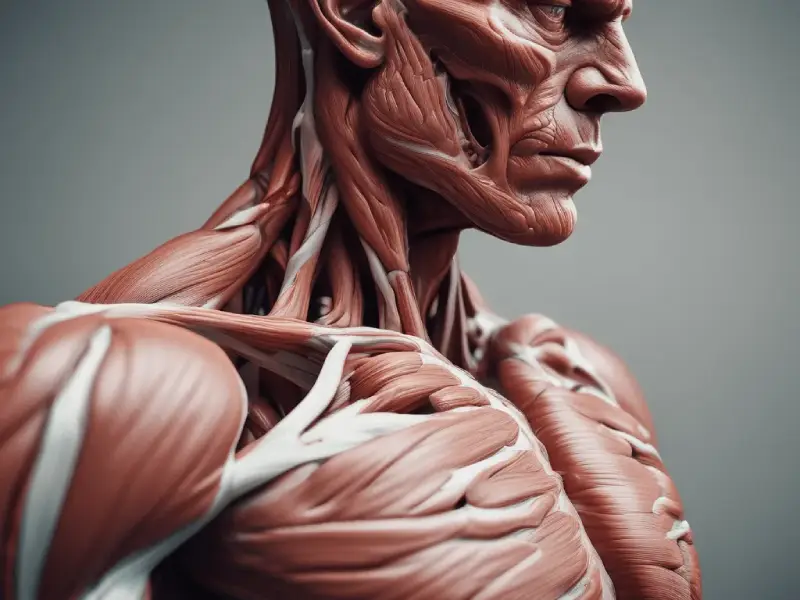
Ipamorelin has garnered significant interest within the bodybuilding community due to its potential effects on muscle growth and recovery. Many view it as a promising option for those seeking to improve muscle mass while minimizing some of the challenges associated with other hormone treatments, such as excessive water retention or elevated prolactin levels.
Unlike certain alternatives, ipamorelin’s targeted approach is believed to focus on enhancing muscle repair and promoting lean muscle development without interfering with other hormonal systems. This characteristic has positioned it as a potential tool for those engaged in rigorous training routines, as it may support quicker recovery and greater endurance over time.
Ipamorelin’s Role in Recovery
Recovery is an essential part of anyone who’s working out, and ipamorelin may play a notable role in speeding up the recovery time. Intense workouts put stress on muscles, causing small tears in muscle fibers. These tears need time to heal for muscle growth to occur. By increasing GH production, ipamorelin speeds up the recovery process, allowing muscles to repair and grow at a faster rate.
Ipamorelin Cycle
A typical Ipamorelin cycle lasts between 4 to 12 weeks, followed by an equal period of time off. After injection, Ipamorelin peaks quickly, typically within about 30 minutes, and its effects last approximately 2 hours before growth hormone levels return to baseline. Because of this short duration, smaller injections spread out 3 times a day are generally preferred over a single large daily dose.
This cycling approach is believed to help prevent desensitization. While some users may consider post-cycle therapy (PCT) after using Ipamorelin, it is generally unnecessary since Ipamorelin does not cause hormone suppression.
The Dosage
For physique or performance enhancement, the commonly recommended dosage of Ipamorelin is 140-300 mcg per injection. For regular use, Ipamorelin is administered once daily. People who are exercising typically administer Ipamorelin 2-3 times daily due to its short half-life, resulting in a total daily dosage of 280-900 mcg.
Use our Peptide Calculator to research the dosage options.
Ipamorelin is usually injected subcutaneously, which means into the fat tissue just beneath the skin. Usually injected areas are the upper arms, thighs, or abdomen. Rotating injection locations is important for avoiding irritation. If the dosage delivers results, refrain from increasing it. Start with the minimal effective amount and slowly adjust if needed.
Closing Thoughts
Ipamorelin represents a notable advancement among peptides created to address various health issues and enhance overall well-being. By mimicking ghrelin, it effectively stimulates natural growth hormone release, leading to beneficial effects on muscle, bone, and fat tissue.
Despite these advantages, Ipamorelin remains an investigational peptide, and further clinical research is needed to fully understand its effects. Users should proceed with caution, adhere to recommended dosing guidelines, and monitor for any side effects. With ongoing research, we can anticipate discovering additional benefits and applications for this promising peptide.
Sourcing
USA

- LIMITLESS LIFE NOOTROPICS aka Biotech
-
Use Discount Code: EP20
Copied EP20
- SCANTIFIX
-
Use Discount Code: Exploringpeptides
Copied Exploringpeptides
Canada

Europe

- DNLABResearch
-
Use Discount Code: EP15
Copied EP15
- Crystal Peptides
-
Use Discount Code: Exploringpeptides
Copied Exploringpeptides
Australia

- LVLUPHEALTH
-
Use Discount Code: Exploringpeptides
Copied Exploringpeptides
- SCANTIFIX
-
Use Discount Code: Exploringpeptides
Copied Exploringpeptides
References
[1] Bidlingmaier M, Strasburger CJ. Growth hormone. Handb Exp Pharmacol. 2010;(195):187-200. doi: 10.1007/978-3-540-79088-4_8. PMID: 20020365.
[2] Raun K, Hansen BS, Johansen NL, Thøgersen H, Madsen K, Ankersen M, Andersen PH. Ipamorelin, the first selective growth hormone secretagogue. Eur J Endocrinol. 1998 Nov;139(5):552-61. doi: 10.1530/eje.0.1390552. PMID: 9849822.
[3] Baker LD, Barsness SM, Borson S, Merriam GR, Friedman SD, Craft S, Vitiello MV. Effects of growth hormone–releasing hormone on cognitive function in adults with mild cognitive impairment and healthy older adults: results of a controlled trial. Arch Neurol. 2012 Nov;69(11):1420-9. doi: 10.1001/archneurol.2012.1970. PMID: 22869065; PMCID: PMC3764914.
[4] Helsinn Therapeutics (U.S.), Inc. (2017). Safety and Efficacy of Ipamorelin Compared to Placebo for the Recovery of Gastrointestinal Function [Clinical trial]. ClinicalTrials.gov. https://clinicaltrials.gov/ct2/show/NCT01280344
[5] Sinha DK, Balasubramanian A, Tatem AJ, Rivera-Mirabal J, Yu J, Kovac J, Pastuszak AW, Lipshultz LI. Beyond the androgen receptor: the role of growth hormone secretagogues in the modern management of body composition in hypogonadal males. Transl Androl Urol. 2020 Mar;9(Suppl 2):S149-S159. doi: 10.21037/tau.2019.11.30. PMID: 32257855; PMCID: PMC7108996.
[6] Laviano A, Molfino A, Rianda S, Rossi Fanelli F. The growth hormone secretagogue receptor (Ghs-R). Curr Pharm Des. 2012;18(31):4749-54. doi: 10.2174/138161212803216906. PMID: 22632856.
[7] Andersen NB, Malmlöf K, Johansen PB, Andreassen TT, Ørtoft G, Oxlund H. The growth hormone secretagogue ipamorelin counteracts glucocorticoid-induced decrease in bone formation of adult rats. Growth Horm IGF Res. 2001 Oct;11(5):266-72. doi: 10.1054/ghir.2001.0239. PMID: 11735244.
[8] Svensson J, Lall S, Dickson SL, Bengtsson BA, Rømer J, Ahnfelt-Rønne I, Ohlsson C, Jansson JO. The GH secretagogues ipamorelin and GH-releasing peptide-6 increase bone mineral content in adult female rats. J Endocrinol. 2000 Jun;165(3):569-77. doi: 10.1677/joe.0.1650569. PMID: 10828840.
[9] Greenwood-Van Meerveld B, Tyler K, Mohammadi E, Pietra C. Efficacy of ipamorelin, a ghrelin mimetic, on gastric dysmotility in a rodent model of postoperative ileus. J Exp Pharmacol. 2012 Oct 19;4:149-55. doi: 10.2147/JEP.S35396. PMID: 27186127; PMCID: PMC4863553.
[10] Wang J, He L, Huwatibieke B, Liu L, Lan H, Zhao J, Li Y, Zhang W. Ghrelin Stimulates Endothelial Cells Angiogenesis through Extracellular Regulated Protein Kinases (ERK) Signaling Pathway. Int J Mol Sci. 2018 Aug 26;19(9):2530. doi: 10.3390/ijms19092530. PMID: 30149681; PMCID: PMC6164813.
[11] Ota Y, Kawaguchi Y, Takagi K, Ichida H, Gono T, Hanaoka M, Higuchi T, Yamanaka H. Ghrelin attenuates collagen production in lesional fibroblasts from patients with systemic sclerosis. Clin Immunol. 2013 May;147(2):71-8. doi: 10.1016/j.clim.2013.03.001. Epub 2013 Mar 13. PMID: 23571102.
[12] Liang ZT, Li J, Rong R, Wang YJ, Xiao LG, Yang GT, Zhang HQ. Ghrelin up-regulates cartilage-specific genes via the ERK/STAT3 pathway in chondrocytes of patients with adolescent idiopathic scoliosis. Biochem Biophys Res Commun. 2019 Oct 15;518(2):259-265. doi: 10.1016/j.bbrc.2019.08.044. Epub 2019 Aug 14. PMID: 31421834.